
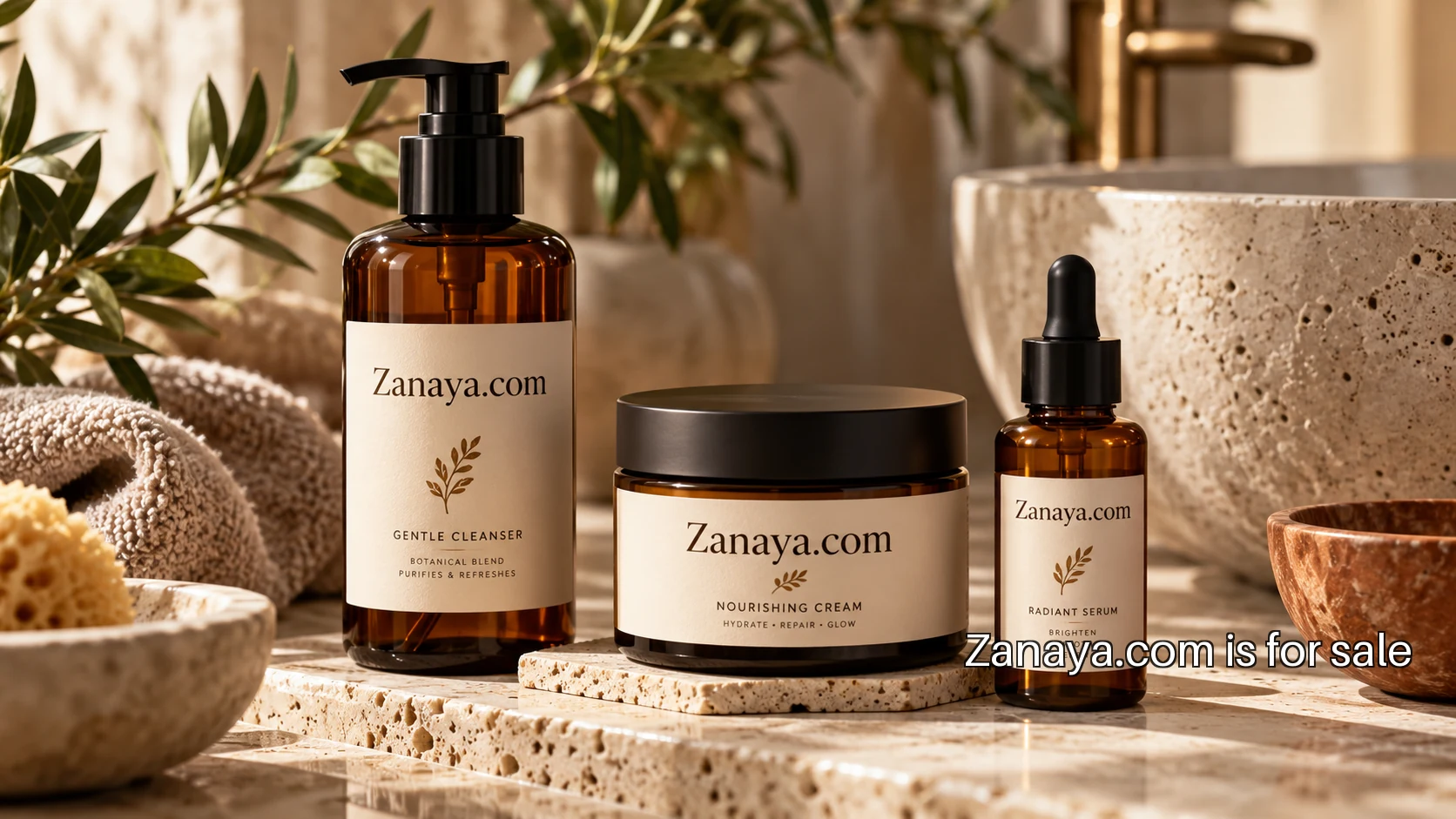
I would start Zanaya with a single skincare product that has a clear place in someone's day. A collection needs a reason for each bottle to exist. Beginning with one product makes the first development conversation more useful: who uses it, when they reach for it and what kind of experience the founder wants to create. The name can sit above that decision and the range that follows.
Choose the moment before the formula
Consider an illustrative first range built around a daily body moisturizer. The founder chooses a person who wants a simple product after a shower, a texture that spreads comfortably and a container that works with damp hands. Those decisions give the manufacturer something more concrete than a mood board of attractive jars. They also provide the starting point for the photographs, instructions and product page.
Write a short account of that moment. Where is the bottle kept? Is it used at home or packed for travel? Does the user need a pump they can operate with one hand? Which parts of the current routine feel awkward? A useful brief gathers those observations before it collects ingredients. The answers connect product development to the way the finished item will actually be handled.
Give the first product a narrow job
A founder can ask a manufacturer to propose samples against a defined texture, finish and format. Keep a record of what changes between samples rather than judging from memory. Use the same questions each time: how the product dispenses, how it spreads, how the container closes and how the instructions read. A simple comparison sheet makes the next conversation about a particular decision instead of a general feeling.
The product description deserves the same care as the formula. In the United States, the FDA explains that intended use and claims affect product classification. That makes the words in an early product brief worth reviewing with qualified development and regulatory partners. The founder can bring the intended language into the sampling conversation rather than waiting until the packaging artwork is finished.
Make the packaging earn its place
For Zanaya, I would explore a small family of containers that can share a label system. Begin with the functional choice: pump, tube or jar. Then ask about compatibility, available sizes, decoration and the information that needs to fit. A beautiful bottle that makes the product difficult to use creates another problem to solve. Handle physical samples with the intended product and the intended shipping materials before approving the final combination.
The label can establish a quiet hierarchy: Zanaya, the product name, its purpose and the practical details. Compare a full-size sample with the view on a phone. A small line of pale type may look elegant on a large design file and disappear on the real container. The FDA's cosmetics labeling guide is a useful primary reference for the U.S. labeling discussion with the people responsible for the finished product.
Plan the next purchase with the first one
A replenishment journey starts with a product people can identify again. Use one product name consistently on the bottle, the receipt and the product page. Make size and quantity clear. If the founder chooses to offer reminders, let the customer control them and make the reason for the message obvious. A useful message answers a practical question about the same product rather than introducing an unrelated offer.
For an initial range, a second size could solve a specific need, such as a smaller version for a travel bag. Another product should have its own role in the routine. Map the relationship before adding it: what does it do, when is it used and how does it sit beside the first item? A focused range lets the founder explain the choice in ordinary language and photograph the products as a coherent family.
Find the first conversations
I would choose one channel to learn from at the beginning. That could mean direct conversations at a small event, a carefully described online launch or a handful of suitable retail introductions. Prepare a sample explanation of the product, a way to collect useful feedback and a clear method for answering questions. Each conversation should help the founder distinguish product questions from packaging questions and ordering questions.
A launch review can then examine specific evidence: which questions recur, which package details create confusion and whether people can find the product they want on the site. Keep a list of changes with an owner and a decision date. That turns early feedback into a sequence of improvements rather than a growing collection of opinions. The founder has a practical agenda for the next production discussion.
Put the collection on one page
Before approaching production partners, I would prepare a single page containing the intended user, the daily moment, the first product, the preferred format and the next possible addition. Include sample references with an explanation of what each one illustrates. A reference for texture is different from a reference for packaging color. Keeping those choices separate makes it easier for a partner to respond with the right kind of sample.
Zanaya.com gives that plan one consistent identity. The founder can put Zanaya on the first product, keep the same address on every label and develop the collection around it. The immediate next step is a focused first-product brief, with enough detail to begin a useful manufacturer conversation and enough discipline to keep the first launch manageable.