A small accessories label gives a founder room to make a strong design decision and repeat it with care. For Zanaya, I would begin with one recognizable piece: a bag with a particular curve, a scarf with a considered border or a pouch whose proportions make it useful every day. The collection can grow from that decision instead of starting with a catalogue of unrelated things.
Choose one piece to lead
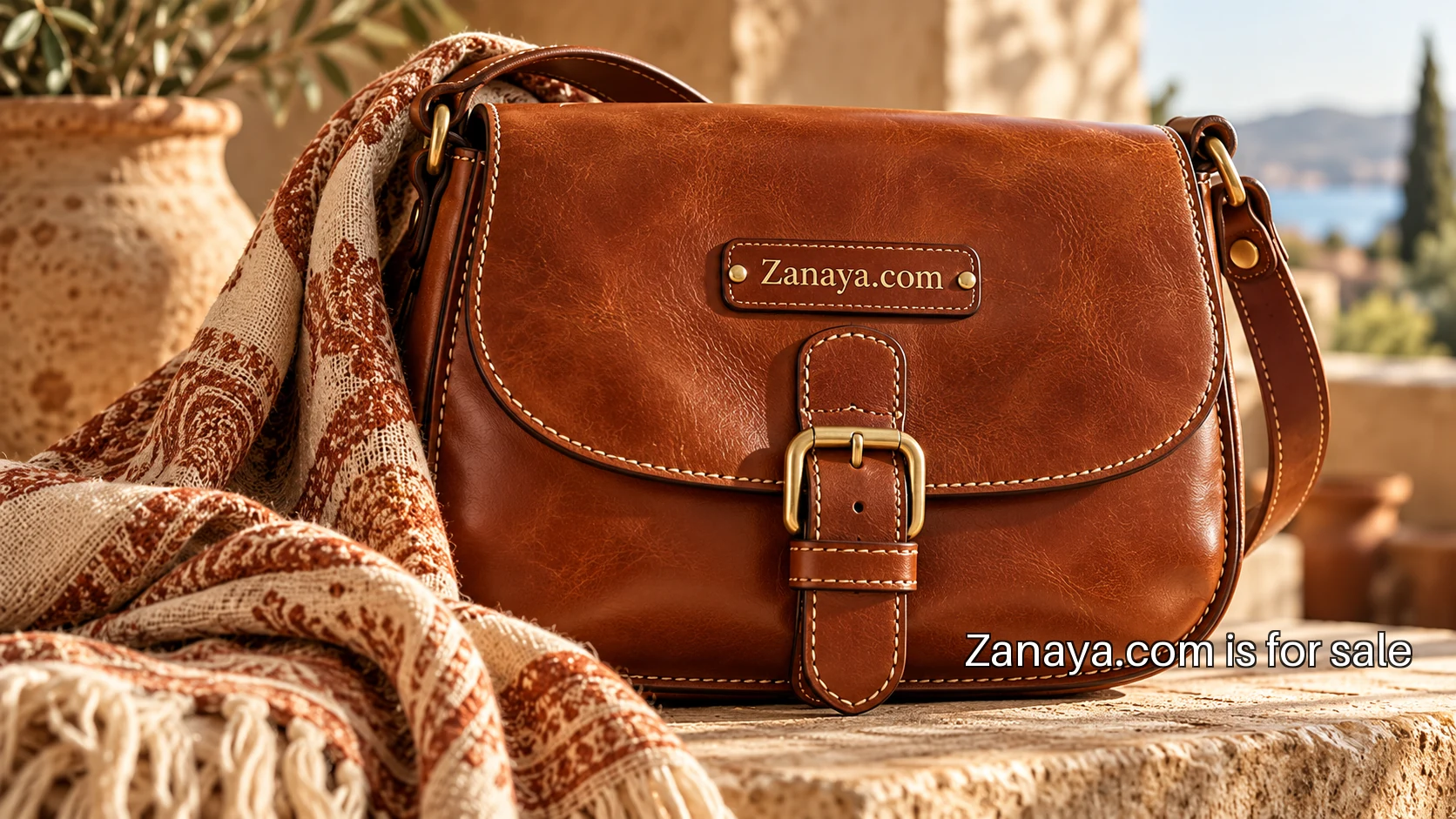
Take a compact everyday bag as an illustrative starting point. Define what it carries, how it is held and when it is used. Put the intended contents on a table and arrange them in the order the user needs them. A phone reached frequently and a key kept secure create different design needs. That simple exercise gives the designer a practical reason for the opening, the pockets and the strap.
Next, identify the feature that should recur across the collection. It might be a curved seam, a distinctive handle attachment or a particular relationship between soft material and structured edge. Draw it at several scales. If the feature only works on the first piece, it may belong to that product rather than to the label as a whole. The founder needs a visual decision that can develop without every item becoming the same shape.
Find the first person to buy it
For this first offer, I would choose a customer who wants one everyday bag that also feels considered enough to carry into an evening. That person gives the founder a concrete brief for the buying experience: the chance to handle the bag, see what fits inside and try it with a coat. A launch built around that encounter is different from presenting a large range online and waiting for someone to find it.
Start with conversations in a place that already serves that customer. An independent clothing boutique with a small accessories selection could be a suitable first retail partner. The founder can ask the buyer what shoppers currently ask for, which carrying needs appear repeatedly and whether a short in-store introduction would fit the shop's calendar. This is an illustrative route for a new label, with the first decision being the partner and customer to approach.
Sell one clear first offer
The opening offer could be the signature bag, presented with a plain explanation of its use, a visible purchase price chosen by the business and the opportunity to try it in person. Keep the product story close to the object: how it opens, where it sits on the shoulder and what its shape allows the wearer to carry. The first customer should have enough information to decide about this piece rather than being asked to buy into an unfinished catalogue.
The founder also needs to choose how the event relates to the retailer. One option to discuss is a hosted selling session where the founder takes orders directly, with the shop's role and compensation agreed beforehand. Another is a wholesale introduction in which the retailer chooses whether to stock the bag. Decide which conversation is being proposed before approaching the buyer, then bring the appropriate product information and ordering process.
Give the first event a route to an order
I would pitch a small Saturday try-on session to that boutique, with the founder available to demonstrate the signature piece and answer questions. The retailer could invite its existing customers through its usual newsletter or event list if it chooses to support the session. The founder can contribute a short description and an accurate photograph that make the invitation about a useful visit: handle the bag, try it on and meet the person developing the label.
At the session, display the piece where visitors have room to try it, with a mirror and a clear way to see the interior. The founder can explain the offer, confirm whether the item is available immediately or made to order and show the ordering step. A visitor ready to proceed can complete the purchase through the agreed business checkout. Someone still considering it can take the product's web address and choose to receive a follow-up. That connects one specific invitation to a product decision and an actual ordering path.
Make the model work for both partners
Before committing to another event, review the work required to run this one. Account for the founder's time, travel, presentation, the retailer's agreed participation and the work of fulfilling an order. Keep those costs beside the business's selling price and production assumptions. The question is whether the chosen channel leaves enough room to serve the customer properly and keep supplying the piece, with a clear agreement between the founder and the shop.
The same conversation should cover who handles payment, customer questions, delivery updates and any returns under the business's stated policies. A visitor should leave knowing who they bought from and where to ask for help. These responsibilities are part of choosing the launch model. Writing them down before the event lets the founder concentrate on demonstrating the product and meeting the first customers.
Make the first introductions specific
A retailer introduction should answer why this bag belongs with the shop's clothing and customer. Bring the finished presentation, the intended use and the proposed event format. Ask for a particular next step, such as a short buyer appointment or a date to review the piece in person. A specific invitation gives the buyer something concrete to accept, change or decline.
After the event, review which invitation brought people in, what they wanted to handle and which questions stood between trying the bag and placing an order. Ask the retailer whether the format suited the shop. Those observations help choose the next launch decision: repeat the session, pursue a stocking conversation or improve the offer before approaching another partner.
Zanaya can carry the identity across a label, a product card and a complete collection. Start with a signature piece, a defined first customer and a retail or event offer that leads to an order. The founder can then develop a range whose materials and shapes belong together, with one name on the pieces from the beginning.