
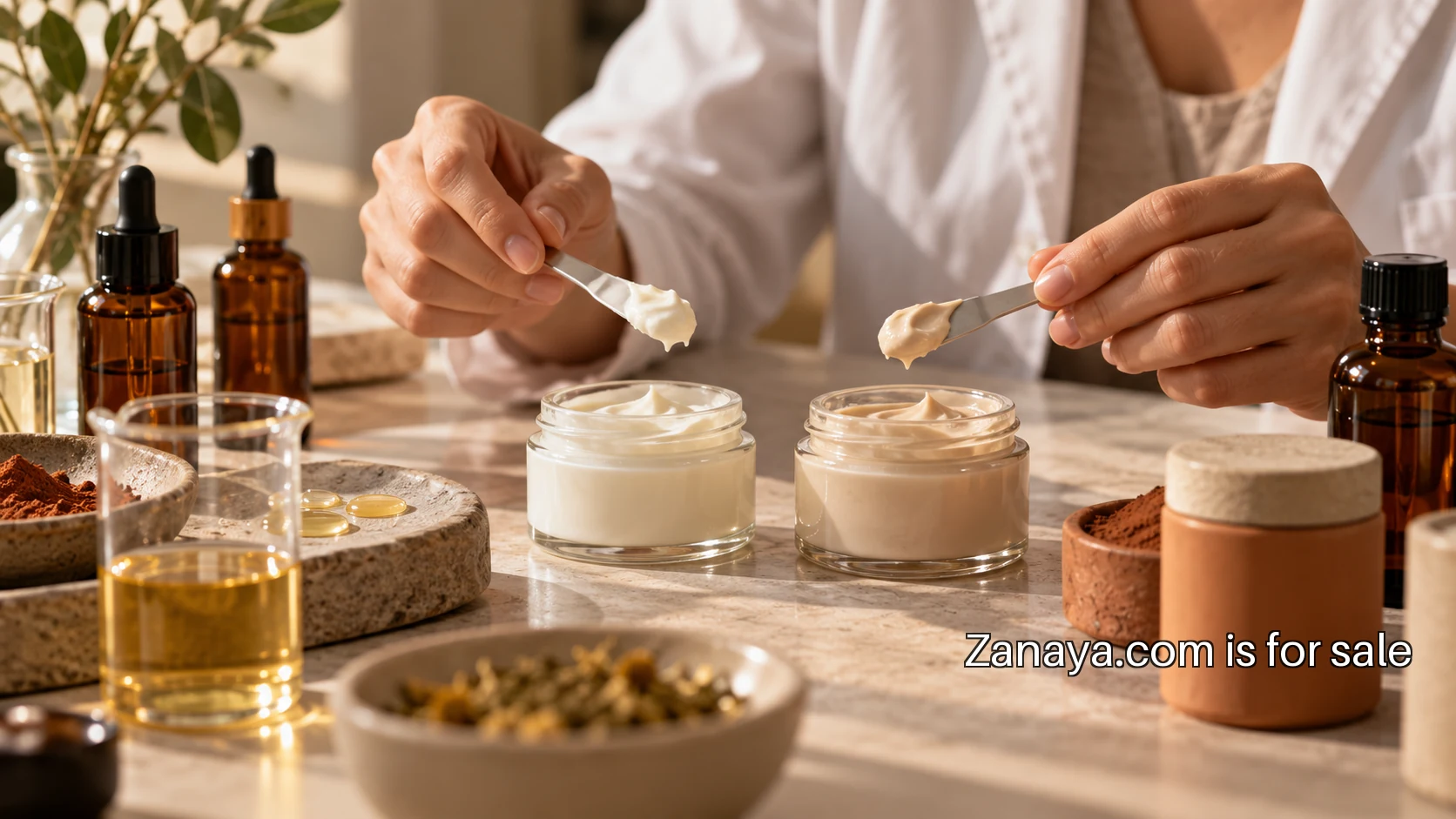
A useful beauty product brief gives a manufacturer decisions to respond to. It connects the intended user, the product's job and the format with enough detail to start a sampling conversation. An image of a beautiful bottle can communicate a visual preference, but it leaves the texture, the use and the production assumptions unresolved. Start by describing the product in ordinary language before collecting technical answers from partners.
Write the use moment in a paragraph
Imagine an illustrative body moisturizer intended for use after a shower. Describe the person reaching for it, where they keep it and the result they want from the experience. Include the practical conditions: damp hands, limited shelf space or a preference for a pump. Keep this paragraph short enough that a manufacturer can repeat the intended use back to you without interpreting a page of brand language.
Separate observations from guesses. If people have described a problem in interviews, record their words and the context. If a feature is the founder's proposal, label it as a decision to test during sampling. That distinction gives the conversation a useful shape. The partner can ask about the need, suggest a format and explain which parts of the concept require more definition before development starts.
Define the product before listing ingredients
Name the category, the area of use and the intended sensory experience. Describe texture, fragrance preference, application and finish in terms that can be compared across samples. References can help, but explain what each reference demonstrates. One may illustrate a package closure, another the rate at which a product dispenses. A manufacturer needs to know which characteristic matters rather than receiving a collection of unexplained examples.
An ingredient wish list can follow, along with the reason for each request. Ask the development partner which choices fit the format and what supporting work is needed. Keep proposed ingredients separate from approved label claims. The brief should invite a professional discussion that ends in a workable product specification, with open questions written down and assigned to the people qualified to answer them.
Bring intended claims into the first discussion
Product language can affect the development path. The FDA explains that intended use distinguishes cosmetics from drugs in the United States, including claims made through labeling and promotion. Put the phrases the founder hopes to use into a separate section of the brief. The relevant development and regulatory partners can then assess the proposed language while the product is still being defined.
This section can be simple: intended product description, proposed benefits, questions requiring review and the person responsible for approving the final wording. Record the markets where the product is planned to be sold. The point is to make decisions visible early. A label designer should receive approved language at the appropriate stage rather than having to infer it from a mood board or rewrite it during artwork production.
Describe the package as part of the product
List the preferred container type, proposed fill size, dispensing method and decoration. Ask which components are readily available and which would need separate sourcing or development. Request physical examples where possible. A pump, cap and bottle form a complete system, and the founder needs to handle that system with the intended product before making a final visual choice.
Include the shipping format in the conversation. A container may need protection, a carton may need enough space for required information and the final pack has to reach the customer in usable condition. Ask the partner which compatibility and packaging evaluations belong in the project plan. The brief should identify those workstreams and their owners so that the founder can schedule decisions in a sensible order.
Give the quotation a defined scope
A request for a quotation is easier to compare when every potential partner receives the same assumptions. State the number of products, proposed sizes, packaging preferences and intended launch sequence. Ask partners to identify their minimum quantities, sampling process, lead times and the items included in the quotation. Keep optional work separate so that the founder can see what changes when the scope changes.
Create a comparison table after the responses arrive. Use rows for development, samples, packaging, production and other explicitly quoted items. Add a column for questions rather than filling gaps with assumptions. A lower figure may cover a different scope, and a shorter timeline may depend on a component already being available. The useful outcome is a clear account of what each partner proposes to make and deliver.
Agree how samples will be reviewed
Define a short review sheet before the first sample arrives. For a moisturizer, that might cover dispensing, spread, texture, finish and fragrance. Use consistent conditions when comparing versions and identify every sample by its code. Record observations soon after handling it. Photographs of packaging behavior can help describe an issue that is difficult to explain in a sentence.
Send consolidated feedback after reviewing a version. A numbered list distinguishes the changes required for the next sample from observations that need discussion. Keep the approved attributes visible too, so the partner knows what to preserve. The next round should answer a smaller set of questions. A clear review process gives the founder a traceable route from the original concept to an agreed production reference.
Reserve space for the label
Artwork needs real dimensions and a clear content hierarchy. Ask for the printable area and any component constraints before finalizing the layout. Work with the appropriate specialists on the required content for the intended markets. The FDA cosmetics labeling guide is a primary reference for the U.S. discussion. It belongs alongside the product specification and approved wording in the project record.
At the design stage, print the artwork at actual size and wrap it around a physical component. Check the product name, instructions and smaller information in ordinary light. Also review a photograph of the package on a phone, since the online product page has to explain the same item. A consistent name such as Zanaya can link the bottle and the digital storefront while the label hierarchy makes the individual product easy to identify.
End with decisions and owners
A finished first brief should close with a short list of open questions, the people answering them and the next decision date. Keep a version number so every partner knows which document is current. When a choice changes, update the relevant section and describe the effect on the sample or quotation. That saves the team from reconstructing the plan from scattered messages.
The first brief does not have to be elaborate. It needs a clear user, a defined product job, a proposed format and a way to evaluate the next sample. Start with those elements, bring the right specialists into the unresolved questions and keep the approved choices together. The founder can then move into sampling with a concrete product to discuss and a clear identity ready to carry it.